 Native Cypriot Tasoula Hadjitofi is a refugee, icon hunter and culture-crime detective who has made it her life’s work to recover the countless icons, frescoes, mosaics and cultural artifacts that from time immemorial have been the coveted booty of art smugglers, war profiteers, and terrorists.
She will present her new memoir, The Icon Hunter: A Refugee’s Quest to Reclaim Her Nation’s Stolen Heritage, at the Zohrab Center on Friday, February 2, 2018 at 7PM.
The Icon Hunter is the story of Hadjitofi’s perilous journey from refugee into the underworld of art trafficking. The riveting story culminates in her orchestration of “The Munich Case,” one of the largest European art trafficking stings since World War II.
CLICK HERE to download a flyer.

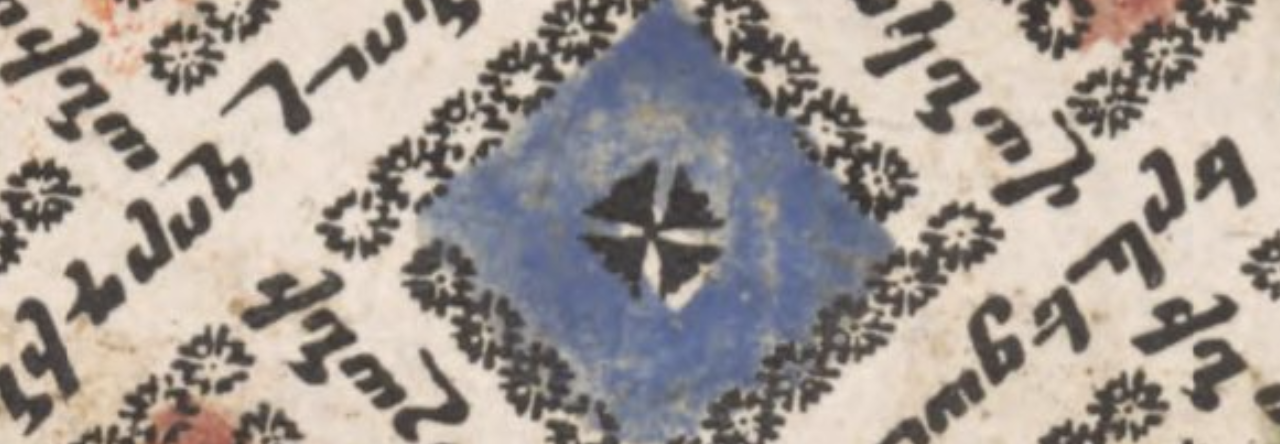
Hadjitofi’s daring multi-year crusade ended in the arrest of the notorious Turkish art trafficker Aydin Dikmen and the recovery of over $60 million in stolen icons and other antiquities from Cyprus and around the world. The haul included a priceless 14th-century Armenian manuscript Gospel stolen from the Armenian Church of the Mother of God in the northern part of Nicosia in 1963.
Cyprus has had a continuous Armenian community since the 6th century at least. The Armenian Quarter of Nicosia was captured by Turkish-Cypriot extremists in 1963, leading to the loss of medieval Armenian churches there, as well as in Famagusta on the island’s east coast. Later, following the 1974 Turkish invasion of the island, the 11th-century Armenian monastery of St. Macarius of Alexandria [Մակարավանք] in the mountains of northern Cyprus was seized and desecrated.

In her Zohrab Center presentation, the only Armenian engagement in her current national book tour, Ms. Hadjitofi will delve into the Armenian heritage of the Turkish-occupied part of Cyprus.
Tasoula Hadjitofi was born and raised in Famagusta, Cyprus. In 1974, with her family she was forced to flee their home after the Turkish invasion of Cyprus. Tasoula eventually settled in The Netherlands and became Honorary Consul to Cyprus. Approached by a notorious art dealer with information about stolen sacred artifacts looted during the Turkish invasion of Cyprus, she spent the next ten years convincing the art dealer to inform on his former partner. Tasoula places everything on the line to repatriate her country’s sacred treasures.
“I entered the fight against art smugglers in 1987, and it was then I had to learn the rules of their game,” the intrepid crusader said in a recent interview. ” I was very fortunate to receive the best legal advice owing to the late [Orthodox Church of Cyprus] Archbishop Chrysostomos I, which meant that before every single battle to regain stolen treasures I was appropriately prepared. And let me tell you—in spite of the mentally and physically exhausting effort, there is nothing more rewarding than the smiles of vindication when a relic is repatriated.”
The book presentation is free and open to the public. Copies of The Icon Hunter will be available for sale with all proceeds going to benefit the Walk of Truth NGO, which works to locate sacred artifacts looted from conflict areas and to restore the cultural identity of those countries to their people.
A reception will follow the presentation. The event is free and open to the public. All are welcome. For further information contact the Zohrab Center at zohrabcenter@armeniandiocese.org or (212) 686-0710.
 Meet the co-curators of the current landmark exhibit at New York’s Metropolitan Museum of Art entitled, Jerusalem 1000-1400 Every People Under Heaven this Wednesday evening at 7PM in Vartan Hall at the Armenian Diocese in New York.
 “Even if the number of Armenian artworks is not many, their quality and beauty are exquisite,” said Fr. Daniel Findikyan, Director of the Zohrab Center. “And in any case, the prominent status of Armenians in Jerusalem at this time is evident throughout the exhibit, from the very first object,” he added.